PRODUCTS LIST
Inquiry

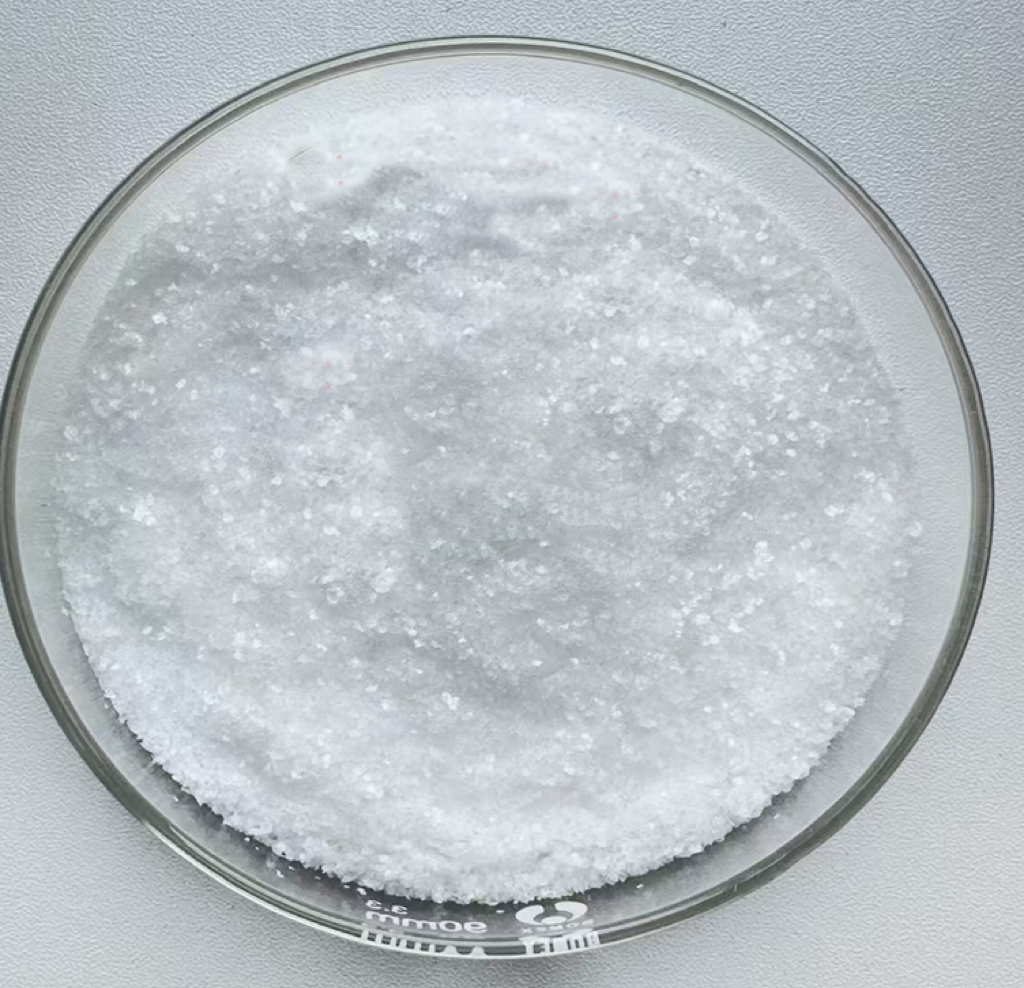
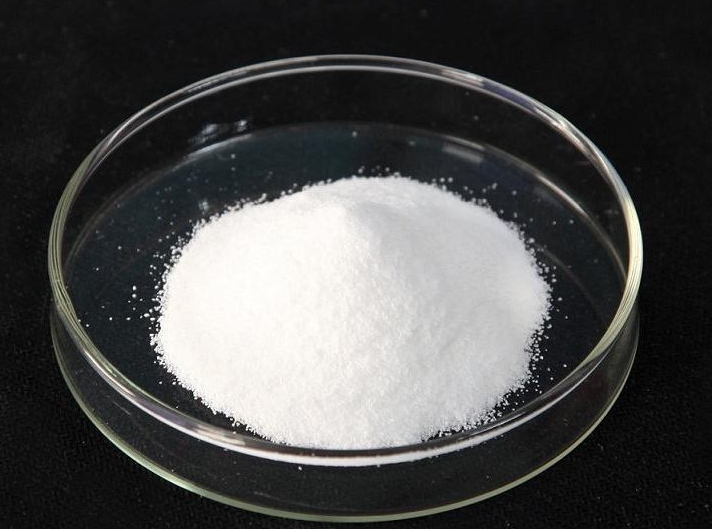
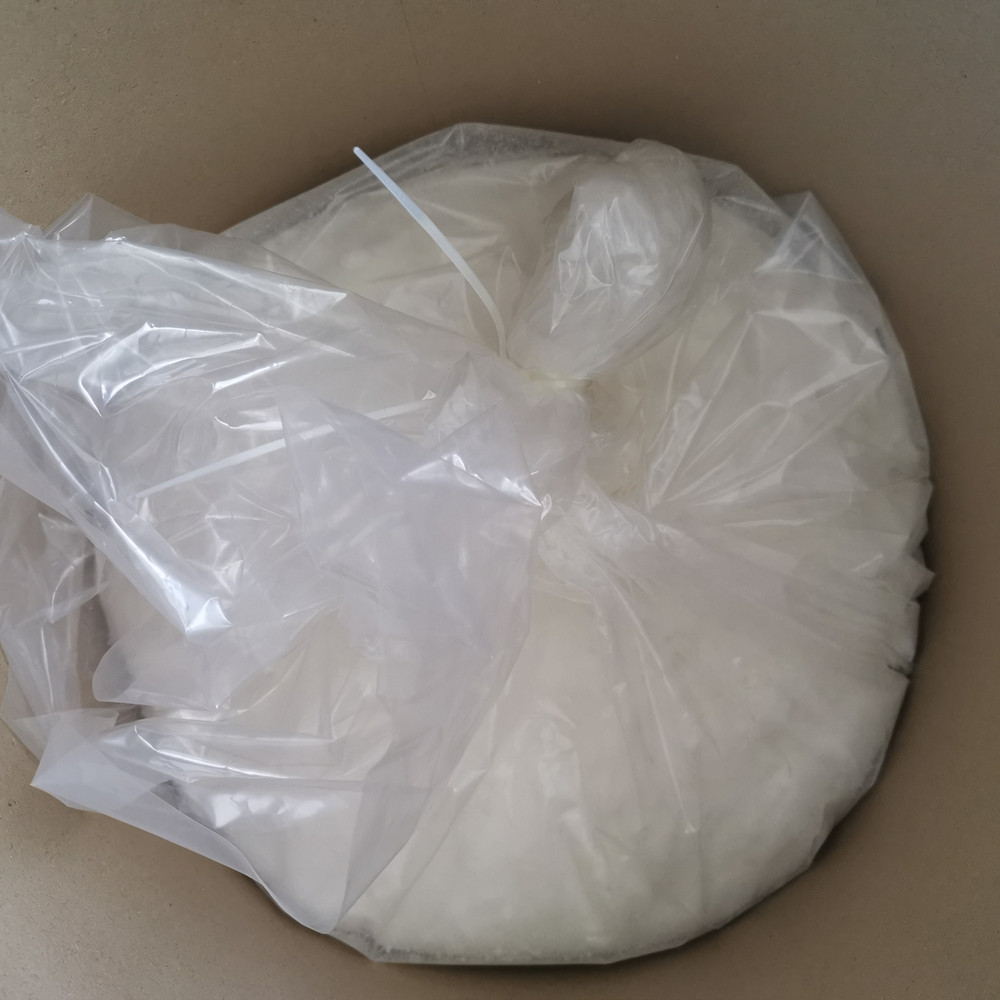
Sodium molybdate, an inorganic salt compound with the chemical formula Na₂MoO₄ and a relative molecular weight of 205.92, commonly exists as colorless, lustrous flaky crystals or a white powder. It has a density of 3.78 g/cm³, a melting point of 687℃, and a water solubility of 84 g/100 mL at 100℃. Its aqueous solution is alkaline, with a pH of 9.0–10.0 for a 5% solution at 25℃. Sodium molybdate can undergo metathesis reactions with other metal salts (such as barium, silver, and lead) to form water-insoluble precipitates. It reacts with strong acids to precipitate molybdic acid (H₂MoO₄). Sodium molybdate is irritating and corrosive; contact can cause skin or eye irritation, and inhalation of dust can lead to respiratory irritation.
Sodium molybdate can cause molybdenum poisoning, leading to gout in the foot, and symptoms such as elevated uric acid, hypotension, neurological dysfunction, and metabolic disorders. The maximum permissible concentration of sodium molybdate aerosol is 2 mg/m³, and that of dust is 4 mg/m³. Dust prevention and ventilation should be ensured during production and use. Contact between sodium molybdate and halogens or magnesium may cause fire or explosion.
Product Introduction
|
Foreign name |
Sodium molybdate |
|
Chemical formula |
Na2MoO4 |
|
Molecular weight |
205.9171 |
|
CAS login number |
7631-95-0 |
|
EINECS login number |
231-551-7 |
|
Fusing point |
687℃ |
|
Density |
3.78g/cm³ |
|
Appearance |
White rhombic crystals |
|
Water-soluble |
Slightly soluble in water |
|
Hazard symbol |
R36/37/38; |
Main featuresof our company
1. Reasonable price, stable quality and short delivery time
2. According to the policies of different countries, timely follow up orders and arrange shipments, and provide complete customs clearance documents
3. Can notify customers of market price trends in a timely manner
4. Any inquiry will be replied within 12 hours
Packaging and Delivery
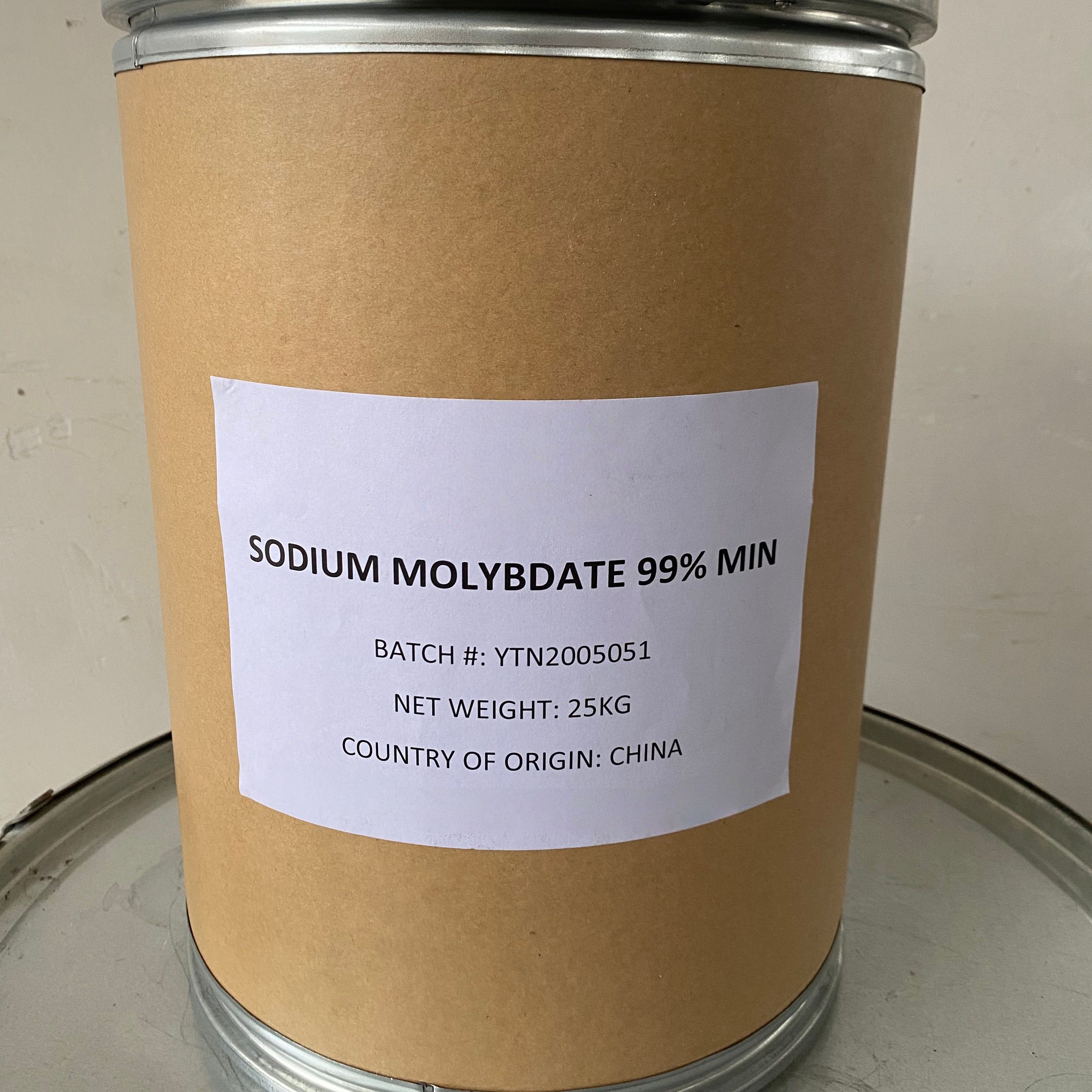
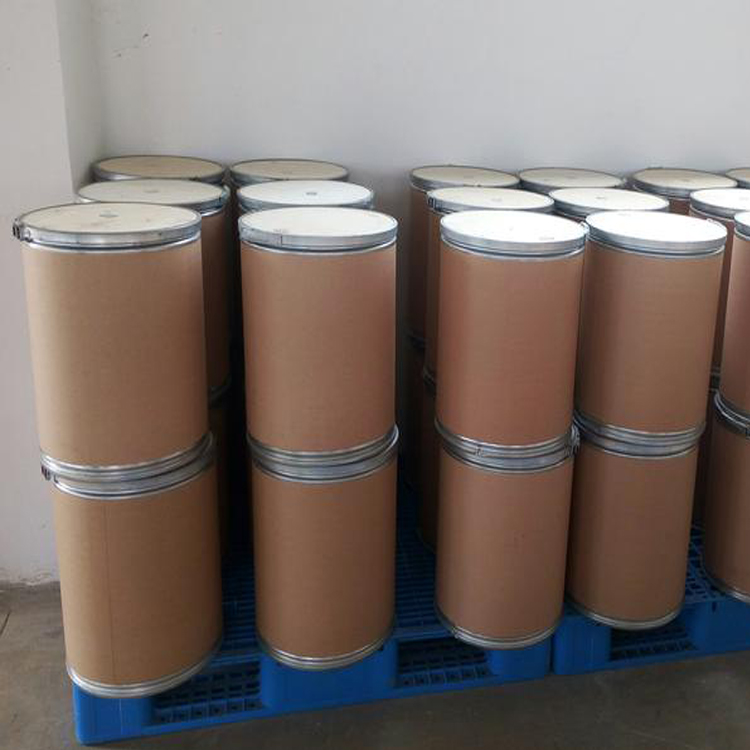
25kgs cardboard drum / 25kgs plastic drum
Product application
Determination of alkaloids and glycosides. Determination of total phosphorus and available phosphorus content in superphosphate fertilizer. Testing for protein-free blood filtrate and serum protein. Corrosion inhibitor. Preparation of H medium, T medium, modified Nielsch medium, MS medium, and RM medium in haploid breeding. Pigment manufacturing.
Molybdate has low toxicity and low environmental pollution, making it a widely used new type of water treatment agent. To obtain better corrosion inhibition effects, molybdate is often used in combination with polyphosphates, gluconates, zinc salts, and benzotriazoles. This not only reduces the amount of molybdate used but also improves the corrosion inhibition effect. After compounding, the amount of molybdate used decreases from 200-500 mg/L to 4-6 mg/L. Dissolved oxygen is required during the film formation process of molybdate, but calcium ions (or other divalent metal ions) are not needed. Molybdate has high thermal stability and can be used in circulating water systems with high heat flux and localized overheating.
Safety: Sodium molybdate is toxic but belongs to low-toxicity compounds. Molybdenum poisoning can cause joint pain, low blood pressure and blood pressure fluctuations, neurological dysfunction, and metabolic disorders. The maximum permissible concentration of soluble molybdenum compound aerosols is 2 mg/m³, and dust is 4 mg/m³. When handling sodium molybdate, wear prescribed protective equipment. Protect from moisture. Protect from rain and sunlight during transportation.
Uses: Used in the manufacture of alkaloids, inks, fertilizers, molybdenum red pigments and lightfast pigments as a precipitant, catalyst, and molybdenum salt. It can also be used in the manufacture of flame retardants and metal inhibitors for environmentally friendly cold water systems. Additionally, it is used in galvanizing, polishing, and as a chemical reagent.


